How to Practice English While Working Out (Speaking & Listening Tips)
Learning English while working out actually makes a lot of sense. Your body moves, your blood flows, and your mind feels clearer. I realized that a new word would continue as I walked to my desk. But when you combine simple practice with listening and speaking exercises, you no longer want to study. It feels light. You can repeat the phrase while jogging, listen to short lessons between sets, and read a few lines during cooldown. It is strange to feel that it is easier to feel that learning is not forced. And over time, these little sessions will sum up without you even stressing about it.
How to Effectively Practice English While Exercising
Practicing English while working out helps coordinate the body and mind more effectively. When language learning is combined with physical activity, the brain connects movements with words and phrases more easily. To achieve the best results, set specific goals and track progress. Practicing all four skills, speaking, listening, reading, and writing, will keep you mentally active.
Understanding the Role of Exercise in Learning English
Exercise enhances blood flow to the brain and supports memory and concentration. Combining exercise with English practice helps the brain remember new words and grammar more quickly. Physical activity also boosts energy, making it easier to stay focused while learning.
Setting Realistic Learning Goals
Speaking: Use short sentences daily.
Listening: Listen to podcasts and apps while on aerobic exercise.
Reading: Read several paragraphs and online articles.
Writing: Write a brief note of the events of the day and the exercises that took place.
Tracking Your Progress
Note down new words, phrases, and grammar items in diaries, apps, and digital notes. Monitor your progress after a week and update it. Recording can also help identify areas that need more practice and more concentrated learning.
English Speaking Practice Exercises
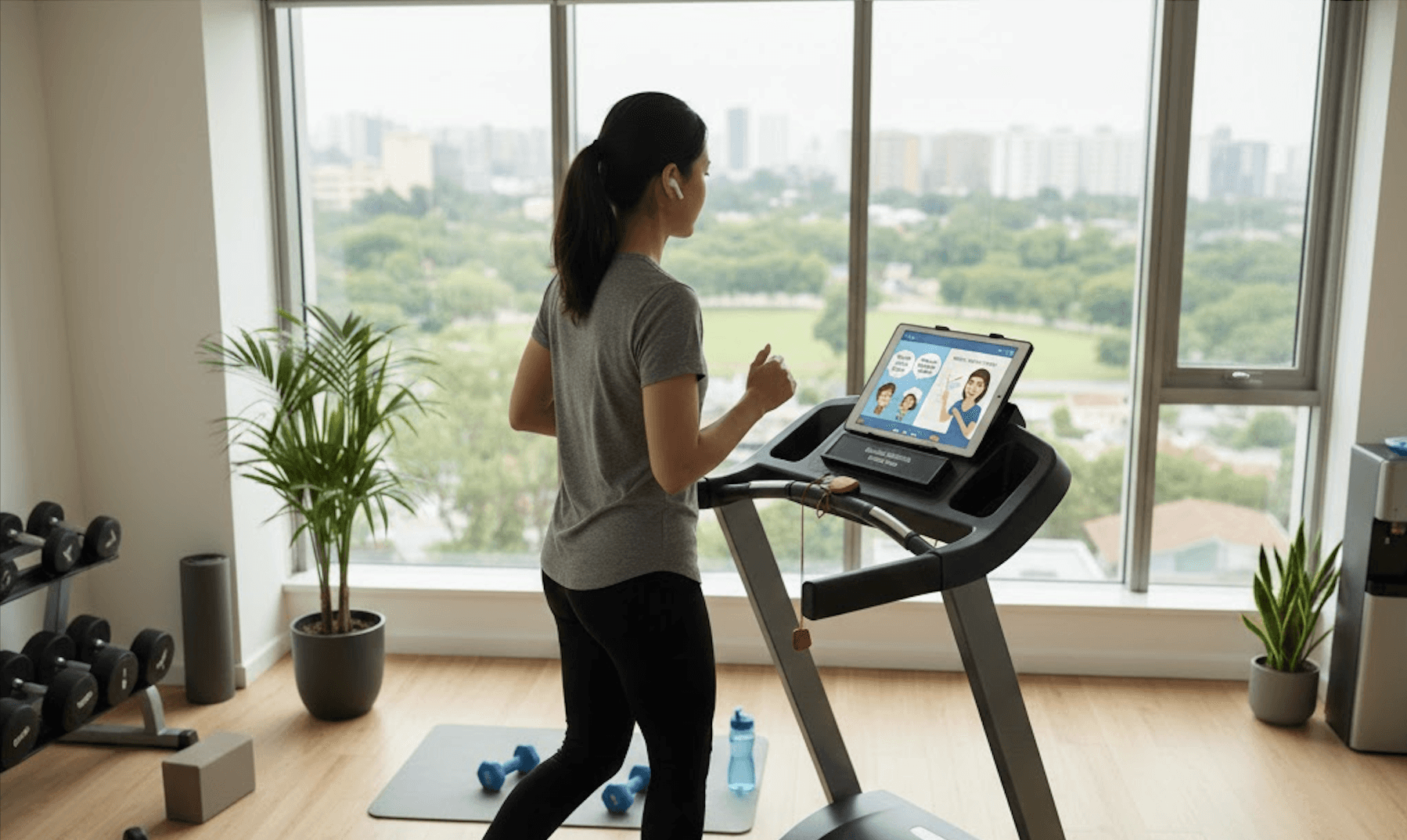
Conversing helps in pronunciation, confidence, and fluency. During breaks, you can warm up on the treadmill. The most effective is short practice in a day.
Quick Daily Speaking Challenges
Two-minute speaking tests: Participants are asked to select a topic and speak about it in 2 minutes, moving.
Narrate your day aloud: What did you do, what did you think, or what did you plan?
Small-talk exercises: Be able to use greetings and simple conversation aloud.
Conversation Practice Options
Register with our online English conversation club, forum, and voice chat application. Even brief interactions with other learners will help you become more confident and develop a natural speaking style.
Pronunciation Exercises
Practice early speech and phonics in the course of exercise. Say words and phrases slowly, then gradually with an increase in speed. It is pronounced in the process of constant practice.
English Listening Exercises During Workouts
Improve understanding and vocabulary by listening while moving. Focus and listen to English audio during aerobic exercise and rest time.
Using Podcasts, Audiobooks, and Apps
You can learn flexibly by listening to English podcasts, audiobooks, and language apps during exercise. Focus on understanding words, contexts, and nuances while walking, running, and cycling. Repetition increases memory and understanding, helping to settle new words. The following methods are valid:
Pronunciation practice by pausing difficult areas
Brief notes on interesting words and phrases
Improve retention by listening to the same episode multiple times
Watching Movies or Shows
You can watch English movies, TV shows, and news programs during light exercise such as stretching and indoor cycling. Focus on phrases, vocabulary, and structure as you move. Try the following:
Repeat the sentence aloud for pronunciation practice.
Summarize the scene in your own words later.
Note a new word, review it later, and settle it.
This method combines entertainment and learning to make language practice more enjoyable.
Listening with Purpose
By listening with a sense of purpose, you can concentrate on understanding new words, grammar, and pronunciation. Note the following during exercise:
How to use words in sentence patterns and contexts
New vocabulary and idiomatic expression
Differences in tone, emphasis,s and pronunciation
Let's take a note for review after the session. Systematic listening during workouts improves understanding, prepares for real conversations, and effectively enhances overall English skills.
Reading Exercises to Boost English While on the Move
Reading enhances vocabulary and grammar. Combine reading with short, light exercise and stationary training.
Reading English Books and Articles
Reading English textbooks during a light exercise or rest time enhances vocabulary and grammar knowledge. Select articles, magazines, and e-books posted on the web to find easy-to-read sentences instead of being a burden. The practices that can be helpful include:
Highlighting new words and phrases and noting meanings.
Overview of every paragraph in your words, and sharpen your mind.
Sound reading. Re-read to determine pronunciation and structure.
Regular reading practice activates thinking and fosters confidence in natural English usage.
Using Devices in English
By setting your smartphone, tablet, and fitness device to English, you will put yourself in an environment where you can learn. Vocabulary is also developed by reading menus, notifications, and English descriptions when conducting daily activities. The technique will enable you to experience the practical language used in the real world and help the brain associate words with behaviour.
Keeping a Fitness Journal
Such a combination will be effective because writing and reading activities complement each other by recording workout content, goals, and progress in English. You can naturally use new words and grammar structures by writing down what you do every day. Write down exercises, documentations of the exercises, and physical state documentation during your physical activity. The vocabulary is built by periodically reviewing the diary, and comprehension skills are enhanced.
Combining Vocabulary and Physical Movements
Memory can be expanded through the association of words, phrases, and behavior. Speaking during movement provides the brain with an easier way of linking language and actual activity.
Vocabulary-Driven Routines
Speak while exercising, like stretching, lifting, and walking.
Repeat keywords to settle memory when performing each operation
Practice new words alongside familiar exercises to fixate on them.
This technique enhances listening, pronunciation, and memory by linking words and movements simultaneously.
Instruction-Based Practice
Follow the English instructions in a video, app, or from a coach to work out. By simultaneously operating while listening, understanding,g and memory power are strengthened. This method helps train the brain to respond quickly to English instructions and to naturally recognize sentence patterns. You can practice effectively by starting with simple instructions and gradually progressing to a longer, more complex workout sequence.
Partner and Group Exercises
Practice with friends and groups increases immersion and motivation. Speaking while moving improves conversation skills, confidence, and fluency. Specifically:
Give instructions in English to each other during the exercise
Answer questions in English during routine execution
Practice real-life interaction with coaching and training role-play
Technology-Assisted Learning
Learn with online applications, artificial intelligence tutors, and Fluently to enhance your learning performance. Such tools understand tiers, fix errors,s and form personalized practice issues. You can train at any time during your exercise and integrate it with structured education.
Top Fun Exercises to Practice English Vocabulary and Phrases
Combined with physical activity, learning English becomes play. Entertaining activities keep the interest and make the vocabulary and phrase training more pleasant. Interactive techniques and short games help the brain connect words and behavior, thereby enhancing memory and fluency. These exercises can be performed best at home, outdoors, and in groups, where you can train English naturally while staying active.
Simon Says with Fitness Commands
Simon Says is an enjoyable game to play, and it is a good practice in speaking English during exercise. Give instructions like touch your toes, jump twice, extend your arms, etc.
Pronunciation is enhanced through the oral repetition of commands.
It also associates words and movements by copying the action in a short period.
You may lower the difficulty by using more complex, longer instructions.
This game develops vocabulary, listening, and understanding, and makes workouts enjoyable.
Descriptive Workout Journals
Brief writing exercises in English are effective for establishing vocabulary and grammar. Include details such as operating procedures, impressions, and results. Regularly summarizing your workouts improves your writing, memory, and writing confidence. By looking back at records, reading comprehension is enhanced,d and motivation to continue both English and exercise.
Role-Playing Fitness Scenarios
The language practice is two-way in role-play exercises. Be the one who coaches you, or be the one who is coached. Use English in giving instructions and posing questions. This will give you a chance to practice useful phrases and build confidence in real-world conversations. Listening skills also develop through role-play with partners and groups, promoting natural dialogue.
Vocabulary Flashcards with Movement
This is an active vocabulary practice that combines flashcards and exercises. Hold the card while working, or correspond the word with the action.
Repeat each word aloud and practice pronunciation.
Perform word-related actions and enhance memory.
Review your cards after training and settle your learning.
This method combines physical activity with vocabulary retention to make English learning more effective and enjoyable.
Tips to Maximize Your English Learning While Exercising
You need continuity and concentration to enhance your English skills and live a healthy life. Little things can change the world in the long run. With motivation and by keeping track of progress, learning can become a habit sustained alongside exercise.
Schedule Consistent Practice
Combine your workout with your English practice every day. Continuity is created by incorporating morning walks, treadmill sessions, night stretches, etc. Even short sessions of 15-20 minutes a day are more effective than long, irregular exercises. By scheduling, you can make learning part of your life and steadily improve your language skills over time.
Combine All Skills
Use conversation, listening, reading, and writing to improve your overall experience.
Practice lessons during aerobic exercises and warm-ups, such as repeating sentences, listening to podcasts, and reading short sentences.
Combining skills enhances your memory and allows you to use English naturally in various situations.
Make It Social
By practicing with others, learning becomes two-way and fun. Join our workout partners, groups, and English-speaking coaches to combine fitness and conversation. By talking while moving, confidence, pronunciation, and immediate response power are improved.
Track Progress and Celebrate Wins
Record new words, phrases, and grammar in diaries and digital trackers
Record milestones such as daily routine completion and speaking challenges
Regular progress reviews improve motivation, reinforce improvement, and establish continuous practice. Learning creates a sense of accomplishment and a systematic nature.
Fun Ways to Learn English While Losing Weight
English learning can be incorporated into weight loss routines. Improve your skills while living an active life.
Learn English in the gym: Reading and talking while using the machine.
Listen to English podcasts on interesting topics while running and walking.
Work out with an English-speaking coach: Follow English instructions.
Join English-speaking sports clubs: Have fun competing and train in conversation.
Practice diet and nutrition discussions: Speak about food in English and master words.
Master English Confidently with Fluently: Your AI-Powered Personal Tutor
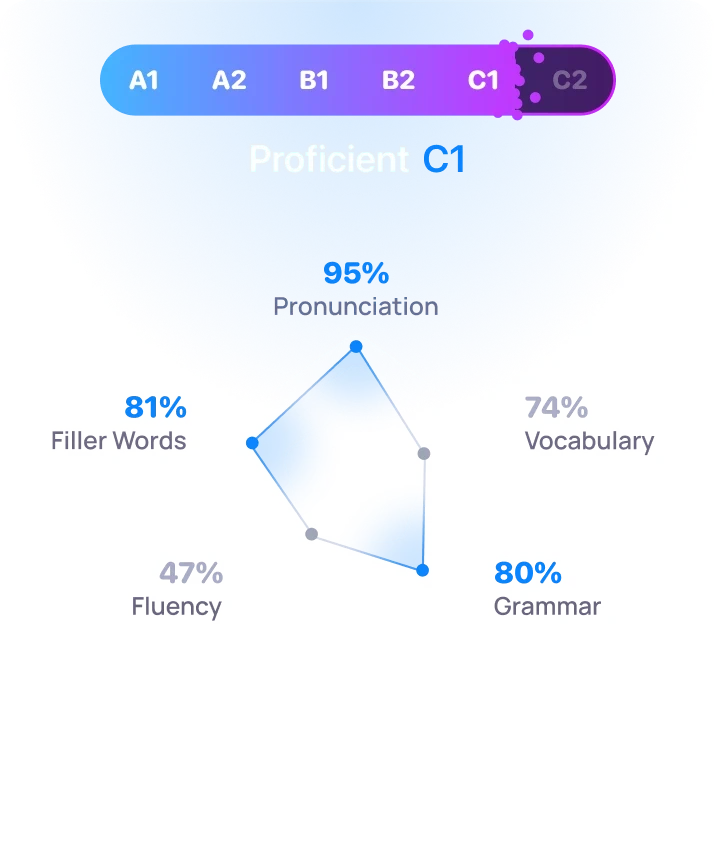
Fluently can analyze pronunciation, grammar, vocabulary, and fluency to learn your real level of English. The AI tutors develop personal learning programs based on your strengths, weaknesses, and objectives. It is possible to practice natural speaking in interviews, presentations, and daily conversations. Realize practical and easy learning with unlimited speaking practice and systematic lessons. By incorporating it into your daily routine, including during exercise, you can turn your English practice into a continuous practice. AI feedback improves confidence and fluency faster because it corrects errors instantly.


Key Features of Fluently:
Real-time level tracking: Track and evaluate your level of pronunciation, grammar, vocabulary, and fluency, and get correct feedback regarding your up-to-date skills in English.
Personalized learning plan: Scale exercises based on the level, development of goals and interests, and make it more rapid and intensive.
Unlimited speaking practice: This is the provision of an environment where you can talk anytime, anywhere. Gain confidence and fluency through practice.
AI-powered corrections: Real-time correction feedback. Practice and gain knowledge without error.
Flexible integration: Easy, practical, and fun to learn English because it can be incorporated into everyday routines, workouts, and commuting times.
FAQs
Can I improve my English while doing light exercises?
Yes. Light exercise, such as walking, stretching, and cycling, can help you practice speaking, listening, and reading without hesitation, making it easier to continuously learn English while living an active life.
How long should each exercise-based English session be?
Start from 10 to 20 minutes a day and gradually increase. It is more effective to continue a short session every day than to do a long session. occasionally Easy to continue learning and reduce the burden.
Which apps are best for learning English on the move?
Fluently is recommended. We track levels, analyze pronunciation, grammar, and fluency, and provide personalized lessons. Apps like Duolingo and BBC Learning English are also helpful.
Is speaking out loud necessary during workouts?
Yes. Voice improves pronunciation, confidence and fluency. You can effectively enhance your language skills with short phrases while walking, running, and doing simple exercises.
How do I track my progress effectively?
Record new words, phrases, and grammar items with apps, diaries, and digital trackers like Fluently. You can check your progress with regular review and maintain your daily motivation to practice.
Conclusion
When you practice English while exercising, your skills in speaking, listening, reading, and writing are enhanced simultaneously. You can keep your learning active and motivated while making it a natural part of your daily life. By combining simple exercises, daily exercises, and AI tools like Fluently, you can track progress, correct mistakes, and practice personalized lessons tailored to your level. Continuity is more important than time; daily, small efforts lead to visible improvements. Let's add English practice to your workout, guide your learning, and naturally increase your fluency while living a healthy, active life.