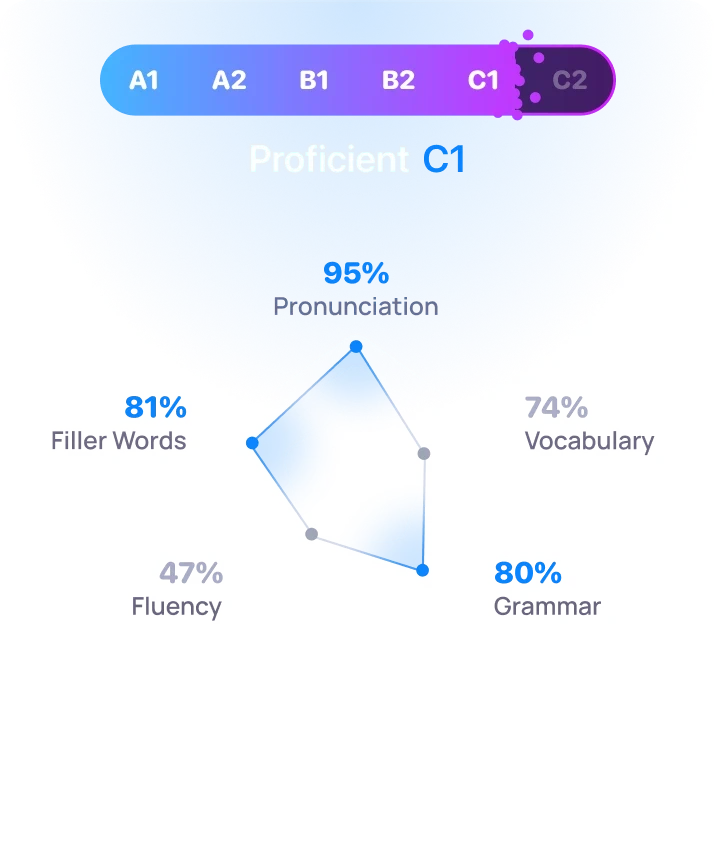
English looks easy when you look at only letters. Some English words are tricky because their spellings do not match their sounds. Others have silent letters, odd stress, or sounds that feel unfamiliar. It is encouraging that pronunciation is an art. It becomes better through knowing and doing. These words are very easy to say, with the right examples and more practice. In this guide, you can test yourself on the 40 hardest words in English, and you will receive a clear explanation of how to pronounce them.
Why Some English Words Are Hard to Pronounce
English is a borrowing language that takes vocabulary from French, Greek, Latin, German and numerous other languages. This confusion produced a trend where spelling and pronunciation were not matched. Pronunciation is challenging due to silent characters, exotic placement of an accent, unknown sounds, etc.
For example, a word like colonel or choir is not spoken as it sounds.
Here are a few common reasons pronunciation becomes tricky:
Silent letters (like the “b” in “debt”)
Unusual stress patterns (like in “entrepreneur”)
Similar spellings, different sounds (like “though” and “through”)
Sounds that don’t exist in your native language
Understanding these patterns makes difficult words much easier to handle.
40 Most Difficult Words to Pronounce (With Examples & Tips)
Some English words look easy on paper. But when you try to say them, they can feel almost impossible to pronounce. The list below shows 40 frequent words in English that are used by students with common pronunciation mistakes.
1. Colonel
Pronunciation: ker-nl
Example: The colonel addressed the soldiers.
Tip: Ignore the “lo.” It sounds nothing like it looks.
2. Worcestershire
Pronunciation: wus-ter-sheer
Example: Add Worcestershire sauce to the dish.
Tip: Break it into “Wus-ter-sheer.”
3. Rural
Pronunciation: roo-ruhl
Example: She lives in a rural village.
Tip: Slow down. Don’t rush both “r” sounds.
4. Sixth
Pronunciation: siksth
Example: Today is my sixth lesson.
Tip: Practice the “ks-th” blend slowly.
5. Phenomenon
Pronunciation: fi-nom-uh-non
Example: It’s a natural phenomenon.
Tip: Focus on syllables: phe-NOM-e-non.
6. Hierarchy
Pronunciation: hy-uh-rahr-kee
Example: The company has a clear hierarchy.
Tip: Stress the first syllable.
7. Entrepreneur
Pronunciation: ahn-truh-pruh-nur
Example: She is a successful entrepreneur.
Tip: Don’t say every letter clearly. Smooth it out.
8. Mischievous
Pronunciation: mis-chuh-vus
Example: The mischievous child laughed.
Tip: It has three syllables, not four.
9. Specific
Pronunciation: spuh-si-fik
Example: Be specific about your needs.
Tip: Avoid adding extra vowels.
10. Espresso
Pronunciation: e-spres-oh
Example: I’ll have an espresso.
Tip: There is no “x” sound at the start.
11. Clothes
Pronunciation: klohz
Example: She folded her clothes.
Tip: Skip the strong “th.”
12. Jewellery
Pronunciation: joo-uhl-ree
Example: She sells handmade jewellery.
Tip: Do not stretch it into four syllables.
13. February
Pronunciation: feb-roo-er-ee
Example: February is the shortest month.
Tip: The first “r” is soft.
14. Anemone
Pronunciation: uh-nem-uh-nee
Example: The fish hid in the anemone.
Tip: Say it slowly in rhythm.
15. Subtle
Pronunciation: sut-l
Example: There was a subtle change.
Tip: The “b” is silent.
16. Debt
Pronunciation: det
Example: He paid off his debt.
Tip: Ignore the “b.”
17. Island
Pronunciation: eye-lend
Example: They visited the island.
Tip: The “s” is silent.
18. Comfortable
Pronunciation: kumf-ter-buhl
Example: This chair is comfortable.
Tip: Native speakers shorten it.
19. Choir
Pronunciation: kwai-er
Example: She sings in a choir.
Tip: It doesn’t sound like it looks.
20. Receipt
Pronunciation: ri-seet
Example: Keep the receipt.
Tip: The “p” is silent.
21. Genre
Pronunciation: zhahn-ruh
Example: I like this genre of music.
Tip: Soft “zh” sound at the start.
22. Chaos
Pronunciation: kay-os
Example: The room was in chaos.
Tip: It’s not “chay-os.”
23. Squirrel
Pronunciation: skwur-uhl
Example: A squirrel ran across the yard.
Tip: Blend “sq” and “r.”
24. Particularly
Pronunciation: par-tik-yuh-ler-lee
Example: I particularly enjoyed it.
Tip: Break it into chunks.
25. Otorhinolaryngologist
Pronunciation: oh-toh-rye-noh-lar-in-gol-uh-jist
Example: He visited an otorhinolaryngologist.
Tip: Say it syllable by syllable.
26. Onomatopoeia
Pronunciation: on-uh-mat-uh-pee-uh
Example: “Buzz” is an example of onomatopoeia.
Tip: Practice rhythm.
27. Niche
Pronunciation: neesh
Example: She found her niche.
Tip: Short and smooth.
28. Draught
Pronunciation: draft
Example: The door lets in a draught.
Tip: Ignore extra letters.
29. Cavalry
Pronunciation: kav-uhl-ree
Example: The cavalry arrived.
Tip: Don’t mix it with “calvary.”
30. Albeit
Pronunciation: awl-bee-it
Example: It was fun, albeit tiring.
Tip: Stress the first part.
31. Cache
Pronunciation: kash
Example: The app stored data in cache.
Tip: Silent “e.”
32. Epitome
Pronunciation: ih-pit-uh-mee
Example: She is the epitome of kindness.
Tip: Four syllables.
33. Coup
Pronunciation: koo
Example: The coup changed the government.
Tip: Very short sound.
34. Debris
Pronunciation: duh-bree
Example: Debris covered the road.
Tip: Stress the second syllable.
35. Quinoa
Pronunciation: keen-wah
Example: Quinoa is healthy.
Tip: It’s not “kwin-oh-ah.”
36. Facade
Pronunciation: fuh-sahd
Example: The building had a grand facade.
Tip: Soft “c” sound.
37. Suite
Pronunciation: sweet
Example: They booked a suite.
Tip: Sounds like “sweet.”
38. Plumber
Pronunciation: plum-er
Example: Call a plumber.
Tip: The “b” is silent.
39. Thorough
Pronunciation: thur-oh
Example: She gave a thorough explanation.
Tip: Shorten “o” at the end.
40. Wednesday
Pronunciation: wenz-day
Example: The meeting is on Wednesday.
Tip: Ignore the “d” sound in the middle.
Simple Tips to Improve English Pronunciation
Look, your pronunciation will not magically fix itself by tomorrow morning. It just does not work like that. I have seen someone binge YouTube lessons all Saturday, walk into a Monday meeting feeling confident, and then freeze on a simple word like “comfortable.” That sting? So if you want real change, keep it simple. Speak every day, even when it feels awkward, especially when it feels awkward.
Break long words into syllables.
Practice difficult sounds slowly.
Record yourself and compare.
Listen to native speakers daily.
Repeat words in short sentences, not alone.
Consistency matters more than speed. Five focused minutes a day works better than one long session once a week.
Common Pronunciation Mistakes to Avoid
Many learners repeat the same small mistake without realising it. Just noticing them improves the way you speak. First, do not pronounce all the characters you see. English often contains silent characters. Next, pay attention to the accent. Accent changes meaning and clarity. Finally, don't add extra vowels between consonants.
Mistake | Wrong Example | Correct | Tip |
Silent letters | Debt-b | Debt | Skip silent letters |
Extra vowels | Fi-lum | Film | Say clusters without extra sounds |
Wrong stress | PREsent | preSENT | Stress changes meaning |
Similar sounds | Ship/Sheep mix | Ship / Sheep | Practice short vs long vowels |
“Th” sound | Tink | Think | Tongue between teeth |
Fast speech | Words unclear | Slow & clear | Focus on clarity first |
How Fluently Can Help You Master Difficult Words
If you want to be able to speak English accurately and confidently, you need regular practice and accurate feedback. Fluently supports pronunciation, word accent, and natural speaking skills. Check your pronunciation, rhythm and clarity to understand your current level. When practising difficult words such as "colonel," "Worcestershire," "anemone," Fluently points out mistakes and leads to corrections. In addition, create an individual learning plan based on your level and goals. The app provides unlimited speech practice, so you can improve step by step and speak fluently in actual situations.


Key Features:
Pronunciation Accuracy Tracking: It’s about more than just being "clear." Fluently look at your flow and where you place the stress to give you feedback that actually makes sense.
Unlimited Speaking Practice: Rehearse a single tricky word or dive into a full-blown conversation without any "session limits."
Practical Word Exercises: Fluently skip the textbook fluff and focus on the phrases you’ll actually use in the real world, and those "tongue-twister" words that usually catch you off guard.
FAQs
Why are some English words so hard to pronounce?
English borrows words from many languages, resulting in unique spelling and sound patterns. Rules for silent characters and accents also complicate pronunciation. You can listen to the correct sound and practice it repeatedly until it feels natural with tools like Fluently.
How can I improve my pronunciation at home?
Apps like Fluently are useful for providing clear pronunciation and feedback.
Is it okay to mispronounce words while learning?
Yes, it is part of the learning process. Making mistakes is a testament to the challenge. The important thing is to correct yourself and continue practising. Using Fluently regularly allows you to quickly notice and correct small errors.
What is the hardest word to pronounce in English?
It really depends on the learner, but words like “Worcestershire,” “Otorhinolaryngologist,” and “Entrepreneur” trip people up all the time.
How long does it take to improve pronunciation?
There are individual differences. If you practice every day, many learners will realize their progress within a few weeks. Continuous speaking practice and support for tools like Fluently accelerate progress.
Conclusion
But here’s the thing: learning tricky English words is not about “talent,” it is about reps (and yes, it can feel annoying at first). So split the word into small chunks, say it slowly, then speed it up a bit, and record yourself once to hear what your mouth is actually doing… wait, that last part sounds weird, but it works. Listen to the word from a clear speaker, copy it, and repeat it in short bursts instead of doing one long study session that fries your brain. I like Fluently for this because it gives you feedback right away and shows examples that sound like real conversation, not textbook lines.