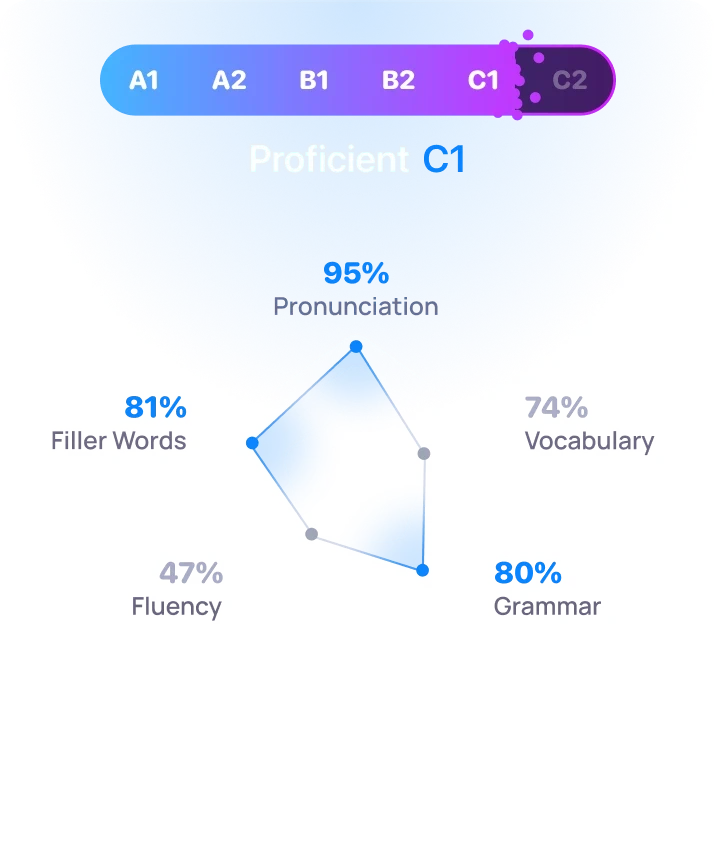
Most people think fluency comes from long study sessions. It does not. It usually comes from ten or fifteen quiet minutes a day, squeezed in before work or right after dinner, when you decide to practice instead of scrolling. The real problem is not ability, it is consistency. You miss two days, then a week, and suddenly English feels heavy again (that part is honestly frustrating). But here’s the thing: short, focused practice done daily builds pronunciation, grammar, vocabulary, all of it, without taking over your life. Wait, what if progress is less about time and more about showing up? Seven simple habits can change everything.
Why a Routine is Essential Even on Holidays
Daily English routine construction is key to steady improvement. Continuous practice, even in a short time, makes a big difference in the long term. With simple habits and AI tools, learners can effectively measure progress while on track.
Build a Daily English Routine
Daily English habits connect the brain and languages to build long-term habits. Continuity is more important than long-term. Fifteen or twenty extra minutes a day does not sound like much. But that small block of time quietly builds your speaking, reading, and listening without burning you out. I have noticed that the real shift happens on busy days when you still do a short session instead of skipping it (even on holidays). That consistency keeps you from sliding backward. And after a while, something strange happens, you start thinking in English before translating in your head. Conversations feel lighter.
Quick Daily Habits That Take 20 Minutes or Less
You do not have to spend hours learning English. One can easily add a simple and focused habit to any schedule:
5 minutes oral: Read out what happened on the day and discuss your favourite things.
Read short stories and articles: Pay attention to the interpretation of new words and phrases.
Learn vocabulary using a flash card: Go through an application, write it, and read it every day.
English audio: Learn how to pronounce more and understand more with podcasts, short videos, and artificial intelligence conversations.
Such micro actions result in massive improvements in months.
Tracking Your Progress With AI-Powered Tools
Let’s be real, learning a language used to be a guessing game. You’d study a list of words and just hope you were saying them right. Now, tools like Fluently have basically flipped the script. You can understand trends, identify weaknesses, and adjust learning plans. Artificial tutors, such as Fluently, modify lessons to fit the ability levels to provide effective and appealing practice. This scientific method of learning contributes to the motivation of the learners and consistent daily gains.
Speaking Practice Techniques
You cannot get better at speaking by only reading about it. You have to talk even if it feels awkward at first, even if you pause mid-sentence and wonder why your tongue is not cooperating.
Speak to Yourself and Shadow Native Speakers
You can practice English without pressure. Talk about your daily activities, describe what you see, and speak aloud about your plans. This nurtures confidence and naturally establishes vocabulary. Let's combine shadowing with this. It is a practice to repeat the speech of native speakers from videos, podcasts,s and movies. By continuing for 10-15 minutes every day, muscle memory of utterance is strengthened, and ears are trained to recognize correct pronunciation.
Record Yourself and Rehearse Phrases
By recording your voice, you can effectively discover the problems of pronunciation, grammar, and fluency. Listen carefully and record improvements.
Fun and Interactive Speaking Activities
Through the use of enjoyable activities, the speaking practice will be appealing and effective:
Discuss with friends: Conversation and build confidence.
Sing, rap, rhyme: Polish intonation, rhythm, and pronunciation.
SNS and Voice Chat: Find native speakers on the internet and have a true practice.
Mock interviews and practice conversations: This is a way to prepare to speak at a workplace social event.
These lessons are fun and learning, so that repetition and stress are minimized. By touching different accents, expressions, and vocabulary, you will be able to talk fluent English with no hesitation. Situation in real life.
Listening Exercises
One of the skills in English learning is listening. Doing it on a regular basis, you will be able to comprehend the different accents, better pronunciation, and naturally track conversations. With the help of the numerous techniques of movie-making and AI tools, the listening process can become better and more appealing.
Watch and Learn from the Media
Natural conversations, everyday vocabularies, and cultural backgrounds can be learned through watching English movies and television shows or watching YouTube. Choose easy work and graduate to more difficult work. Re-read the dialogue, imitate the accent, and give your own description of the situation. At first, subtitles would be introduced,ced but you would have to do a test of watching without subtitles so as to be able to test your understanding.
Practical Listening Exercises
Watch English movies, TV shows, and YouTube videos, and listen to podcasts for practical exercises.
Read the English news, radio, and music to be exposed to different accents.
Find mistakes in pronunciation and receive instant feedback using AI applications like Fluently.
These activities will enable you to enjoy and learn simultaneously, and monitor your progress.
Reading Exercises
Reading on a regular basis can assist you in enhancing your vocabulary, knowing your writing style, and increasing your knowledge. Constant reading is also a good way to improve speaking ability through the combination of sound reading and interaction with real English material.
1. Read English Books, Magazines, and Articles
Through reading different English materials, you would feel the new words, phrases, and types of sentences. Begin with something one is interested in and remain inspired by simple stories and magazines to more and more difficult articles and novels. The natural reading comprehension is known to identify the grammar structure and enhance the sense of context. You will know that you will understand and read faster with time.
2. Immersive Reading Through Devices
It is possible to make the settings of your smartphone, apps, and SNS English to create an immersive environment. The daily interaction resolves vocabulary and fosters English thoughts. Context-based immersive learning is effective in memory retention. A little exposure to normal English material will help you learn the normal phrases and idioms unconsciously.
Combine Reading with Speaking Practice
Reading to promote fluency and pronunciation.
Read and summarize what you read aloud.
Discuss articles and stories with friends and instructors, and become more confident.
The mouth and ears are engaged by reading aloud, and the vocabulary memories are encouraged. Summary increases comprehension and makes new words be used in context.
Vocabulary & Grammar Practice
You can get confidence in speaking English with a reliable vocabulary and proper grammar. Every day life develops the power to use words and sentences in a conversational manner.
1. Create a Personal Vocabulary List or Flashcards
You can write the new words that you can recall on your notes and flash cards each day. We will go through it again and repeat every single word in a sentence. This repetitive exercise will enable the word to change its passive recognition to active use. Through the expansion of vocabulary with time, one is more at ease and assertive when talking and writing.
2. Learn a “Word of the Day” and Use It
Work hard and pick one word per day. Write a couple of sentences with that word and pronounce it. This practice will make you memorize new words and practice them in the near future. A good and useful vocabulary can be developed in a day by learning one word at a time.
3. Complete Online Grammar Exercises
Learn grammar rules and syntax through brief online tests. The practice will also help you learn more about tenses, conjunctions, prepositions, and word order. Good grammar is important and will enhance the accuracy of writing. By exercising every day, skills become established, and the correct grammar becomes naturally felt.
4. Describe Pictures or Write Small Stories
Look at the picture. re Then explain them in English and write short stories. This practice helps you to use new words and grammar in context. Organize ideas, form complete sentences, and improve the ability to practice creativity in English. Continuous storytelling can build confidence and prepare for real conversations.
Learn English Naturally and Improve Fast with the Fluently Speaking App
Learning English can be difficult, but it is especially so when you want to learn a natural and confident way of speaking. Fluently Speaking App is not just another tool you download and forget about. It actually works with you. The AI adjusts to your level. It listens to how you speak and gives feedback on pronunciation, grammar, and vocabulary right away. Instant correction makes a big difference; you fix mistakes before they stick. But here’s the thing, it is not really about memorizing rules at all. It is about sitting in a practice interview and suddenly forgetting a word you have known for years, that awkward pause hanging in the air. I have noticed this is the exact moment people either give up or lean in. Use Fluently to fix all these problems instantly.


Frequently Asked Questions
1. How can I effectively practice English daily?
Practice continuously for a short time. Practice daily speaking, listening, reading, and writing, and manage your progress with tools such as Fluently.
2. Will it really help with real conversations?
Yes, because you’re not just reading answers, you’re speaking through interview-style questions and everyday scenarios. It feels closer to a real chat than a grammar exercise (which honestly makes it less stressful).
3. What exactly does it track?
It keeps tabs on pronunciation, grammar, vocabulary, and how smoothly you speak overall. You can see where you hesitate and where you’re getting stronger. That clarity can be a little confronting at first, but it’s helpful.
4. Are the lessons the same for everyone?
No, they adjust automatically. If you’re improving, the level rises. If you’re struggling, it slows down and reinforces the basics. It kind of moves with you instead of pushing you too hard.
5. Does daily speaking practice really build confidence?
Surprisingly, yes. When you speak a little every day, the fear of making mistakes starts shrinking. One day you’re overthinking every sentence, the next you’re just talking. Funny how confidence shows up quietly like that.
5. Are online conversation clubs effective for beginners?
Yes. You can practice real conversation and help you get used to using English naturally. Fluently also offers guided conversation exercises.
Conclusion
I should practice every day in order to acquire English confidence, fluency, and natural speaking. It is a sure thing that by using a combination of speaking, listening, reading, vocabulary, grammar, and presentation practice, you will improve in a balanced way. AI tools like Fluently can make practice feel a lot less scattered, especially when you’re sitting alone at your desk, not sure what to fix first. Instead of jumping between random exercises, you sit down and face questions that actually sound like something a hiring manager would ask.