Many people feel nervous when they start speaking English. Fear and silence often stop them, even when they know the words. Conversation starters make speaking easy. They help you relax, start talking, and connect with others. This guide helps students, adults, teachers, and anyone who wants to speak English with confidence in daily life, in class, or in casual conversations.
What Makes a Good Conversation Starter?
The trigger for a good conversation is to help the other person relax and move into an easy-to-talk state. Some questions end quickly, while others draw longer answers. It is important to choose the right question type and tone. How to make effective questions is shown below.
Open-Ended Questions vs Yes/No Questions
Free Answer Type Questions encourage detailed responses and keep conversations going. For example, "Do you like music?" Not "What kind of music do you enjoy?" Let's ask. Yes/No The question is concise, but the conversation ends quickly.
Avoid Awkward or Personal Questions
At the beginning of the interview, one should not ask about money, age, or personal issues. If they can make the other party feel uncomfortable, start with something neutral and harmless, such as hobbies, favourite foods, or everyday activities.
Match the Tone to the Situation
Even with the same question, the way you feel changes depending on the context. In class, ask careful and simple questions. A friend can be in a casual and playful tone. Short and light questions are best for messages.
Meaningful Conversations vs Small Talk
The conversation is an intimate and deep discussion. Both have roles, but the usage increases the quality of the conversation.
When Small Talk Helps
Effective at the beginning of the conversation. If you ask about daily life, weather, and hobbies, you will be relieved. Relieve tension and open the door to longer conversations.
Moving to Deeper Conversations
When the conversation begins, let's ask a question that makes you think. Listen first, then follow up. For example, "How was the weekend?" From "What was the most fun"? It will be developed.
Smooth Transitions
It is important to change the flow of conversation naturally. Let's use the following expression:
"That sounds interesting. How did you start? "
"I never thought that way. Why do you feel that way? "
These phrases show interest and trigger people to talk more.
How to Keep a Conversation Going Naturally
It not only concerns starting a conversation but also sustaining it. As soon as the first question is asked, it is obvious what to d,o and interaction is smooth.
Ask Follow-Up Questions
Follow-up questions indicate that you are interested in the other person's answer. Example:
"Why do you like it?t"
"How did that happen?"
Practice Active Listening
Turn your attention to the speaker. React to the other person's words without thinking about the next statement. Active listening makes the conversation natural.
Simple Phrases for Responses
The following phrases can be used:
"That's interesting"
"I see"
"Tell me more"
These encourage speakers and keep the flow of conversation.
Common mistakes to avoid
Interrupt while the other person is talking
Suddenly change the topic
Reply with only one word
Avoiding these mistakes makes communication cosy.
Deep Conversation Starters for Meaningful Connections
Serious questions can be used to relate on a personal level. Recommend it to friends, classmates and trusted partners. These questions are sensitive and not obtrusive.
Conversation to Know More about a Person.
Questions to Get to Know Someone Better
What do you enjoy in your free time?
How do you spend the weekend?
What is the habit of being positive?
Questions About Life, Values, and Beliefs
What is success for you?
How to keep calm during stress?
Who and why are you impressed?
Questions About Dreams, Goals, and Wishes
How do you depict yourself in five years?
What skills do you want to learn next?
What is the driving force to continue?
Questions About Childhood and Upbringing
What are your favourite childhood memories?
Who was most affected during the growing season?
What lessons did you learn from your family?
Questions About Love, Friendships, and Relationships
What are the elements of building a strong friendship?
How do you show concern for people?
What inspired you to trust someone?
Fun Icebreaker Questions for Casual Conversations
Fun questions relieve tension and make casual conversations fun. Ideal for friends and text messages. A casual conversation
Would You Rather Questions
Where do you prefer to work: at home or on business trips?
Which between books and movies do you prefer reading or watching?
Imagination and Hypothetical Questions
Who would you see if you could meet anyone?
If you were given a year of free time, what would you do?
Light Humour and Playful Questions
What always makes you laugh
What is your interesting habit
Conversation Starters by Age Group
The kinds of questions you can have fun with depend on the age group. An age-appropriate conversation will make interacting with any child, teen, or adult much easier, and the other person will be more encouraged to talk, helping establish a more positive relationship.
Conversation Starters for Kids
What is your favourite anime?
What games do you like?
Who plays best?
Conversation Starters for Elementary Students
What is your favourite course?
What hobbies are fun?
What is your future career?
Conversation Starters for Tweens and Middle Schoolers
Who are good friends?
What do you like to make?
What do you look forward to doing this year?
Conversation Starters for Teens and Young Adults
What are you aiming for now?
What are your favourite programs and movies?
How do you handle stress?
What is most important to you?
Classroom Icebreakers That Actually Work
These activities provide teachers with an opportunity to make students accustomed to speaking English. Icebreakers help foster participation, build confidence, lessen fear of errors, make classrooms two-way, and make them more desirable to all learners.
Icebreakers for Elementary Classrooms
Show-and-talk activities
Picture description game
Simple ring of questions
Icebreakers for Middle School Students
Pair Interview
Story-making game
Small group discussion
Icebreakers for High School Students
Short Debate
Opinion-based questions
Encouraging self-introspection
Virtual Classroom Icebreakers
Emoji reply in chat
Description of memes and images
Online gesture games
Text Conversation Starters That Break the Ice
Sometimes text messages can be difficult. Use the right questions to start a conversation with confidence.
Should You Text First?
Yes. Friendly messages show interest in a simple, polite, and light tone.
What to Avoid
One word message
Many questions at once
Unreasonable conversations
Best Starters
Ask about the recent situation: "How about this week"?
Ask hobbies: "What do you enjoy after work"?
Humour: "What did you laugh at today"?
50 English Conversation Starters (Quick List)
What do you enjoyin your free time?
How was it today?
What is your favourite food?
What hobbies make you happy?
Is there a place to go?
What kind of music do you enjoy?
Do you have any books you liked recently?
What makes you laugh?
What are your goals?
What skills do you want to learn?
How to relax?
What is fun about working or studying?
What are the recommended movies?
What's your best memory?
What is the fun of the weekend?
What motivates you?
What do you value in friends?
What makes a good day for you?
What do you enjoy talking about?
What inspires you?
What food reminds you of home?
What makes you feel confident?
What habit helps you stay focused?
What do you enjoy learning?
Where is your special place?
What makes you proud?
What is fun to share with others?
What will calm you down?
What are you looking forward to?
What is the most fun today?
What are your common skills?
What are the elements that make the conversation fun?
What is fun to teach others?
What can help you feel connected?
What activities do you enjoy alone?
What to enjoy with friends?
What are you curious about?
What do you enjoy watching?
What can help you be positive?
What are the elements of a place that feel comfortable?
What do you enjoy listening to?
What do you like to improve?
What do you do keep motivating?
What do you like to plan?
What memories will make you smile?
What is a good conversation?
What do you like to explain?
What is needed to learn more effectively?
What practice do you enjoy?
What questions do you like to answer?


Practice These Conversation Starters Fluently
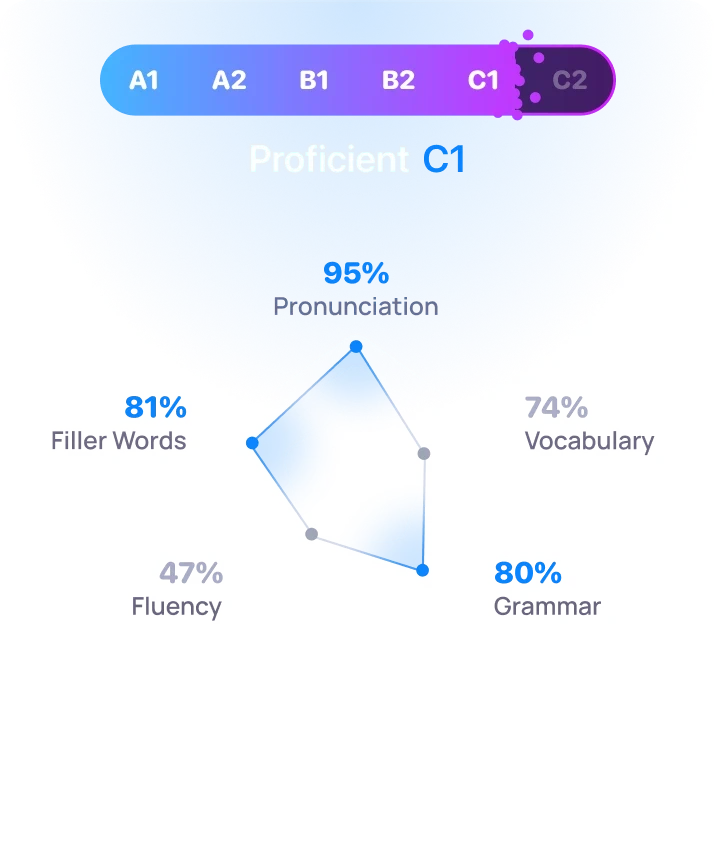
Fluently helps learners practice English in real-life situations. You can try out various conversations daily, speak aloud, and get feedback instantly. This practice will help you become more sure, fluent, and natural, so you feel like you're speaking English. With the opportunity to converse in everyday life, you can easily begin a conversation in any situation, respond with confidence, and spark an active conversation. Your speaking skills will improve over time, making your classmates, friends, and online English more comfortable. Fluently transforms any question into an opportunity to practice and improve your conversation skills effectively.
Key Features of Practising With Fluently:
Real-time correction of errors and acquisition of natural pronunciation through the provision of real-time feedback on utterances.
Offers a wide variety of discussions suitable for beginners, teens, adults, and classrooms.
Encourage daily practice with short, interactive exercises that develop confidence and fluency over time.
Monitor progress and identify areas for improvement and those that need more practice.
Allows you to rehearse and talk in a secure place and feel comfortable talking with people.
Frequently Asked Questions (FAQs)
How can I confidently start a conversation in English?
Start smiling and speak in a pleasant voice. Ask basic and straightforward questions about daily life and interests. Through trial, the fear of talking would be reduced, and you could talk more convincingly.
What are the easiest conversation starters for beginners?
Start small,l i.e., hobbies, favourite foods, school and day-to-day activities. One can start a discussion with basic, harmless questions that won't put pressure on the other person and will elicit a more natural, extended response.
How can I keep a conversation going?
Listening to what the other party says and acting on it are key. Follow-up questions will help you share your experiences and interests, making the conversation easier and more interactive. Training with Fluently will also teach you how to respond without causing any stuttering.
Are conversation starters useful for exams and interviews?
Yes, it is also convenient in speaking exams, interviews and social life. With them, you are sure you can create responses that are easy to answer, and you will not need to have prolonged silences.
Conclusion: Speak English With Confidence, One Question at a Time
The conversation starters will reduce fear and the embarrassing silence. They provide you with a clear way to start talking. Through these questions daily, you will train on how to construct sentences, how to express yourself, and how to listen. Fluency and confidence are usually enhanced by speaking. Begin with easy questions, then move on to more serious or jocular ones. Every relationship creates competence. Conversations in English become natural, easy, and comfortable with regular practice. For faster, guided practice, try Fluently. It gives real conversation exercises and instant feedback, helping you speak English confidently every day.